Disease
Vesicoureteric Junction Obstruction
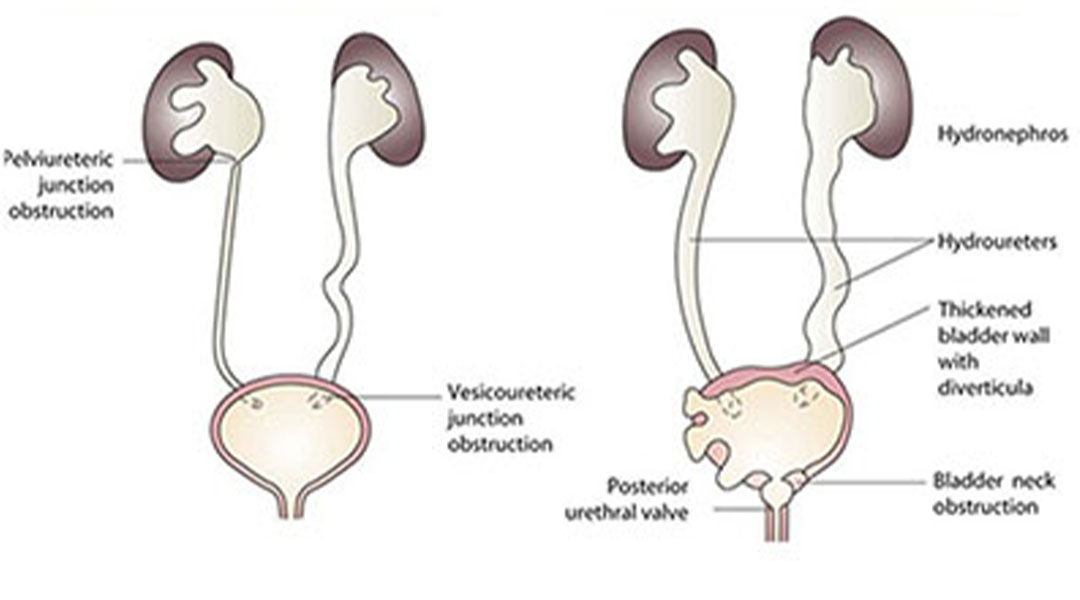
What is Vesicoureteric Junction Obstruction (VUJO)?
Vesicoureteric Junction Obstruction (VUJO) is a condition in which there is a blockage at the point where the ureter meets the bladder (the vesicoureteric junction). This blockage can prevent the normal flow of urine from the kidney to the bladder, leading to swelling of the kidney (hydronephrosis) and potential kidney damage if left untreated.
Causes
VUJO may be caused by
- A congenital (present at birth) abnormality in the muscle or valve at the junction.
- Scarring due to urinary tract infections.
- Compression from nearby structures or masses
Symptoms
- Abdominal or flank pain
- Recurrent urinary tract infections
- Blood in urine (hematuria)
- Poor growth in infants
- Difficulty in passing urine
Diagnosis
VUJO is typically diagnosed through imaging tests such as:
- Ultrasound of the kidneys and bladder
- A voiding cystourethrogram (VCUG)
- MAG3 or DTPA renal scan to assess kidney function and drainage
Treatment
Treatment depends on the severity of the obstruction:
- Mild cases may resolve on their own and are monitored regularly.
- Moderate to severe cases may require surgical intervention to remove the obstruction and restore normal urine flow. The most common surgery is ureteral reimplantation.
