Disease
Bronchogenic Cysts Disease
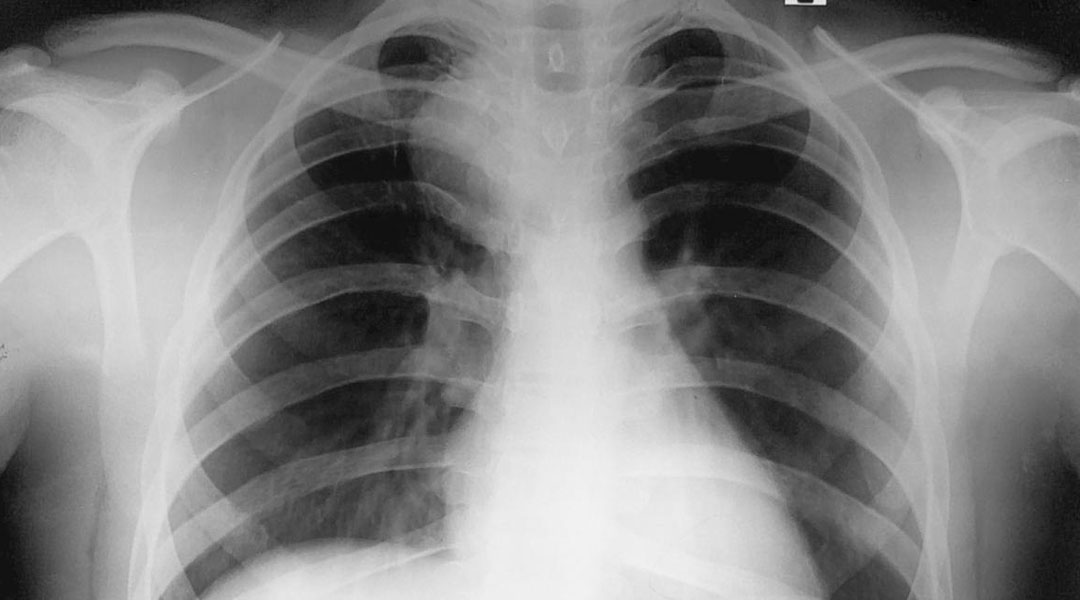
Introduction
Bronchogenic cysts are rare, congenital (present from birth) abnormalities that form due to improper development of the respiratory system during the early stages of fetal growth. These cysts are usually found in the lungs or in the mediastinum (the central part of the chest between the lungs) and are typically filled with fluid or mucus.
Causes
Bronchogenic cysts develop during embryonic life due to abnormal budding of the foregut (a part of the digestive tract that also gives rise to the respiratory system). They are not caused by infections or external factors and are generally non-cancerous.
Symptoms
Many people with bronchogenic cysts do not experience symptoms unless the cyst becomes large or infected. When symptoms do occur, they may include:
- Persistent cough
- Chest pain or discomfort
- Shortness of breath
- Difficulty swallowing (if the cyst presses on the esophagus)
- Recurrent respiratory infections
- Wheezing
Diagnosis
Bronchogenic cysts are often discovered incidentally during imaging tests such as:
- Chest X-ray
- CT (Computed Tomography) scan
- MRI (Magnetic Resonance Imaging)
- Bronchoscopy (in some cases)
Treatment
Treatment depends on the size, location, and symptoms of the cyst. Options include
- Observation: If the cyst is small and asymptomatic
- Surgical Removal: This is the most common treatment, especially for symptomatic or large cysts. Surgery helps prevent future complications like infection, rupture, or compression of nearby structures
