Disease
Meningococcal Disease
What is Meningococcal Disease?
Meningococcal disease is a serious bacterial infection caused by Neisseria meningitidis. It can lead to life-threatening conditions such as meningitis (inflammation of the protective membranes covering the brain and spinal cord) and septicemia (blood poisoning). This disease can progress rapidly and requires immediate medical attention.
Causes and Transmission
Meningococcal bacteria are spread through respiratory droplets or close contact, such as coughing, sneezing, kissing, or sharing utensils. It commonly affects infants, adolescents, and people with weakened immune systems
Symptoms
- Sudden high fever
- Severe headache
- Stiff neck
- Nausea or vomiting
- Sensitivity to light
- Confusion or difficulty concentrating
- Seizures (in advanced stages)
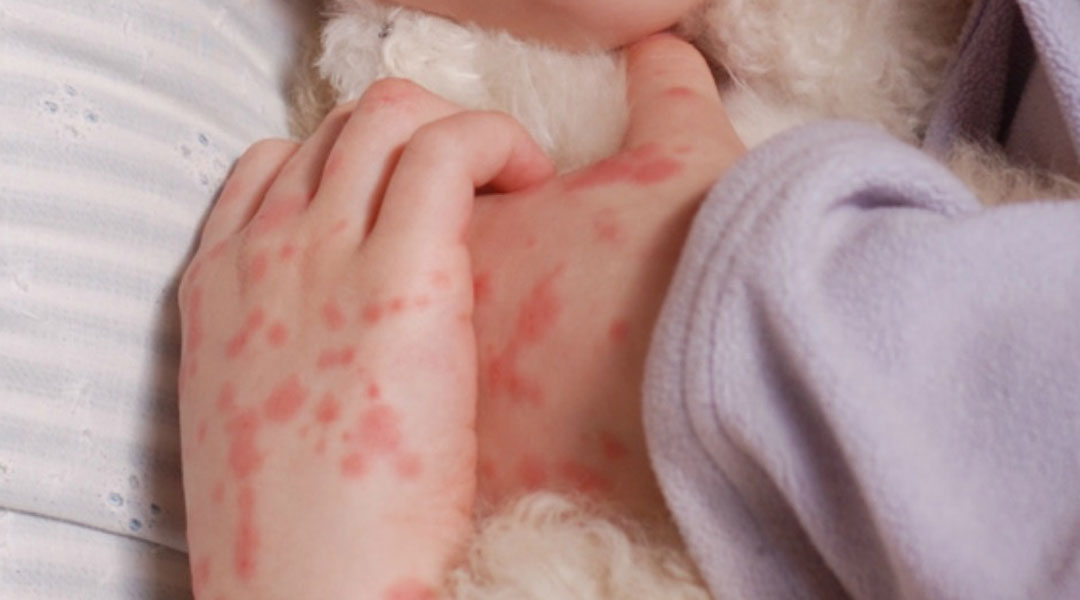
- Skin rash (in case of septicemia)
Prevention
- Vaccination is the most effective way to prevent meningococcal disease
- Practicing good hygiene and avoiding close contact with infected individuals can also reduce the risk.
Vaccines
Several types of meningococcal vaccines are available, including
- Meningococcal conjugate vaccine (MenACWY)
- Serogroup B meningococcal vaccine (MenB)
