Disease
Anorectal Malformation
Anorectal Malformation (ARM): Understanding, Diagnosis & Treatment
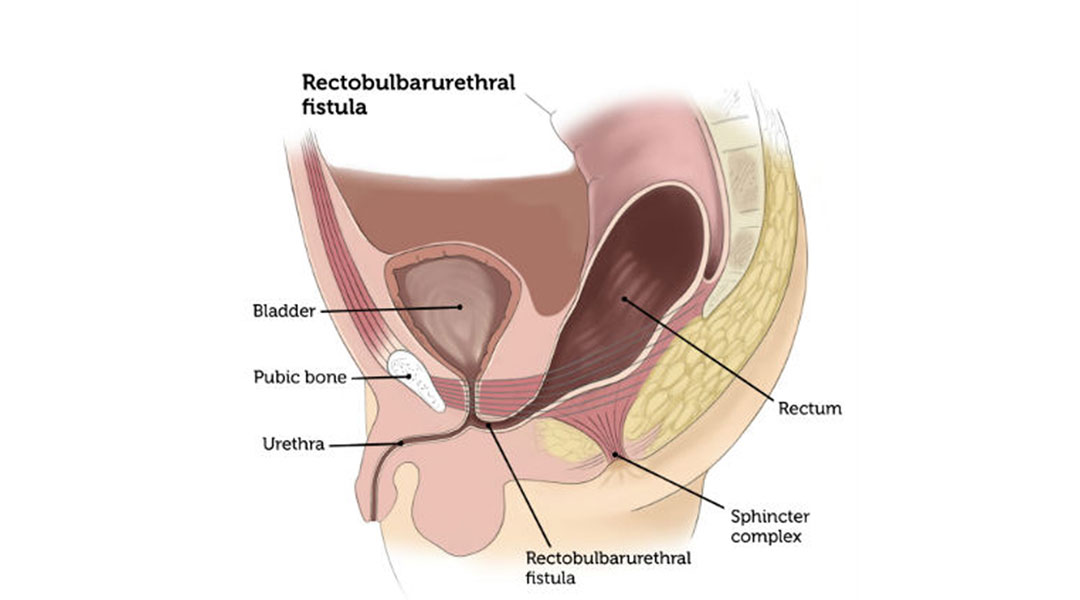
Anorectal malformations (ARMs) are congenital (present at birth) abnormalities of the lower digestive tract. These conditions affect how a child passes stool and require timely medical attention to ensure healthy growth and development.
What Is an Anorectal Malformation?
An anorectal malformation occurs when the anus and rectum—the last parts of the digestive tract—don’t form properly before birth. Normally, stool passes from the large intestine to the rectum, then out through the anus, with muscles and nerves helping to control bowel movements.
In children with ARM, this normal pathway may be disrupted. Common types of malformations include:
- A narrow or closed anal opening
- The absence of an anal opening
- The rectum ending in the wrong location or forming a connection (fistula) with the urinary tract or reproductive organs
Causes and Risk Factors
ARMs develop early in pregnancy when the lower digestive and urinary tracts form from a common group of cells. In most cases, the exact cause is unknown. However, ARMs can occur with certain genetic conditions or syndromes, including:
- VACTERL association (spinal, heart, and limb anomalies)
- Down syndrome
- Townes-Brocks syndrome
- Digestive, urinary tract, and spinal issues
Symptoms of Anorectal Malformation
Many ARMs are detected soon after birth. Symptoms may include:
- No visible anal opening
- No passage of stool
- Stool passing from the vagina or urethra
- Urine passing from the anus
- Constipation or abdominal swelling
If your newborn shows any of these symptoms or does not pass stool within the first 24–48 hours, seek medical attention immediately.
Diagnosis
Anorectal malformations are usually identified during the newborn’s initial physical examination. Additional tests may include:
- Abdominal X-rays or ultrasound – To check internal organs
- CT scan or MRI – For detailed imaging
- Contrast studies (like a lower GI series or colostogram) – To assess the rectum, anus, and any abnormal connections (fistulas)
Treatment Options
The treatment plan depends on the type and severity of the malformation. Most children require surgery to correct the issue. Procedures may include:
1. Anal Dilation :- Used for minor narrowing, this involves gently stretching the anal passage to allow normal stool passage.
2. Surgical Repair :- In more complex cases, a staged surgical approach is often needed:
- Colostomy: A temporary opening in the abdomen is created to divert stool into a bag, allowing the lower area to heal and prepare for repair.
- Anorectal Pull-through Surgery: The rectum is surgically connected to the newly created anal opening.
- Colostomy Closure: Once healing is complete, the colostomy is closed, and the child begins passing stool normally.
