Disease
Cyst Disease
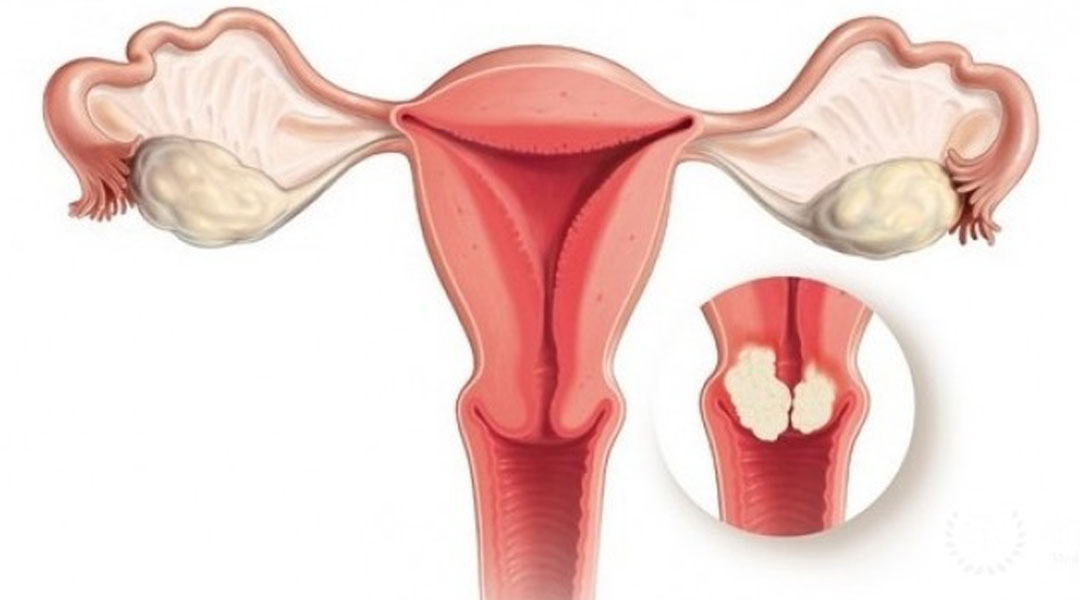
What is a Cyst?
A cyst is a closed sac-like structure filled with fluid, air, or semi-solid material. It can form anywhere in the body, including the skin, organs, or tissues. Most cysts are non-cancerous (benign), but some may require medical attention if they grow, cause pain, or affect organ function.
Common Types of Cysts:
- Sebaceous Cysts: Found under the skin, often due to blocked glands.
- Ovarian Cysts: Form in or on a woman’s ovaries, common during reproductive years
- Breast Cysts: Fluid-filled sacs within the breast, often related to hormonal changes
- Kidney Cysts: Often simple and harmless, but some may indicate underlying issues.
- Ganglion Cysts: Typically appear around joints or tendons in the hands or wrists.
Symptoms :
- A noticeable lump or swelling
- Pain or tenderness (if infected or pressing on nerves)
- Skin redness or warmth (in case of infection)
- Changes in function (if near vital organs)
Causes
Cysts may form due to infections, chronic inflammation, blocked ducts, or genetic conditions. In many cases, the exact cause remains unknown.
Diagnosis & Treatment
Cysts are usually diagnosed through physical examination, ultrasound, MRI, or biopsy. Treatment depends on the type and location of the cyst and may include:
- Observation (if small and symptomless)
- Drainage or aspiration
- Medication (for infections)
- Surgical removal (if large, painful, or suspicious)
