Disease
Torticollis Disease
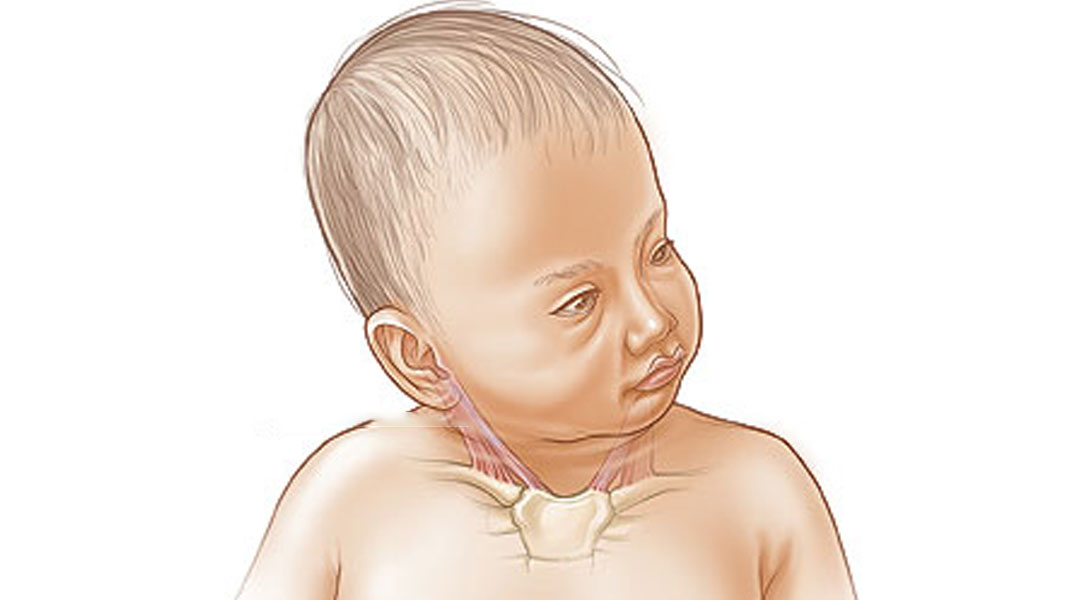
Torticollis (Wry Neck) – Causes, Symptoms, and Treatment
Torticollis, also known as "wry neck," is a condition in which the neck muscles contract involuntarily, causing the head to twist or tilt to one side. This can be present at birth (congenital torticollis) or develop later in life (acquired torticollis). It may be temporary or chronic, depending on the underlying cause.
Types of Torticollis
- Congenital Torticollis: Most common in newborns, usually caused by abnormal positioning in the womb or birth trauma that affects the sternocleidomastoid muscle.
- Acquired Torticollis: Occurs later due to muscle or nerve injury, infections, inflammation, trauma, or neurological conditions.
- Spasmodic Torticollis (Cervical Dystonia): A rare form of torticollis that occurs due to involuntary muscle contractions, often with unknown cause.
Causes
- Muscle injury or inflammation
- Poor posture
- Spine or neck abnormalities
- Infections (such as upper respiratory tract infections)
- Neurological disorders
- Tumors or lesions in the neck or brain
Symptoms
- Head tilted to one side
- Stiffness and tightness in the neck muscles
- Limited range of motion in the neck
- Pain or discomfort in the neck or shoulders
- Uneven shoulders or facial asymmetry (in children)
- Involuntary muscle spasms (in spasmodic torticollis)
Diagnosis
A doctor may diagnose torticollis through:
- Physical examination
- Medical history review
- Imaging tests such as X-rays, MRI, or CT scans (if needed)
- Neurological assessment (for spasmodic torticollis)
Treatment Options
Treatment depends on the type and cause of torticollis
- Physical therapy and stretching exercises (especially for congenital cases)
- Heat therapy and muscle relaxants
- Pain relievers and anti-inflammatory medications
- Botox injections (for spasmodic torticollis)
- Surgical correction (in severe or unresponsive cases)
- Use of orthopedic devices like cervical collars or braces
