Disease
Neonatal Obstruction
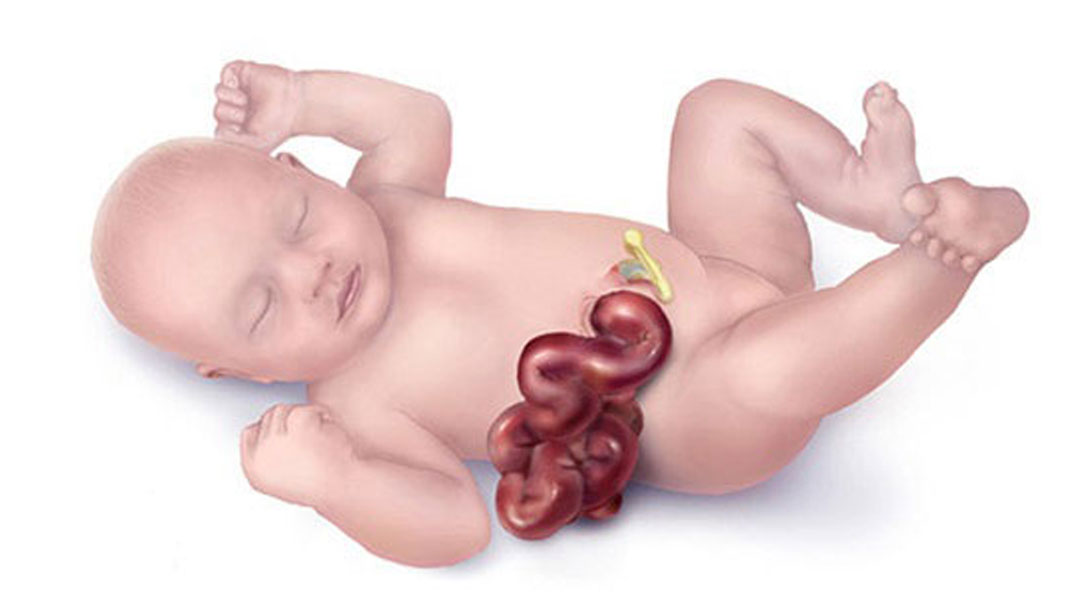
Neonatal Obstruction Disease – A Critical Condition in Newborns
What is Neonatal Obstruction Disease?
Neonatal Obstruction Disease refers to a group of conditions where a newborn’s intestine or other parts of the gastrointestinal (GI) tract become blocked or obstructed. This obstruction prevents the normal passage of food, fluids, and gas, leading to serious complications if not treated promptly.
These conditions are often congenital (present at birth) and may be detected through prenatal scans or become apparent shortly after birth through symptoms like vomiting, abdominal swelling, or failure to pass stool.
Common Causes of Intestinal Obstruction in Newborns:
- Duodenal Atresia :- A condition where a part of the duodenum (first part of the small intestine) is blocked or absent.
- Jejunoileal Atresia :- Obstruction in the middle or lower parts of the small intestine.
- Hirschsprung’s Disease :- Absence of nerve cells in parts of the colon, leading to severe constipation or blockage.
- Meconium Ileus :- Thick, sticky meconium blocks the small intestine, often seen in babies with cystic fibrosis.
- Malrotation with Volvulus :- Abnormal rotation of the intestine during fetal development, which can cause twisting and blockage.
- Imperforate Anus or Anorectal Malformations :- The opening to the anus is missing or blocked.
- Necrotizing Enterocolitis (NEC) :- A serious intestinal disease that can cause perforation and blockage in preterm infants
Symptoms of Neonatal Intestinal Obstruction:
- Persistent vomiting (sometimes green or yellow in color)
- Abdominal distension (swelling)
- Inability to pass stool or gas
- Refusal to feed
- Lethargy or signs of dehydration
Diagnosis and Treatment:
Early diagnosis is crucial and is typically done using abdominal X-rays, ultrasound, or contrast studies. In many cases, surgical intervention is required to remove or bypass the obstruction. The outcome largely depends on the cause, the time of diagnosis, and the baby’s overall health.
Why Choose a Pediatric Surgeon for Neonatal Obstruction?
Neonatal surgeries require specialized training, precision, and gentle handling due to the fragile condition of newborns. A pediatric surgeon experienced in neonatal care ensures the safest and most effective treatment for your baby.
