Disease
Posterior Urethral Valve
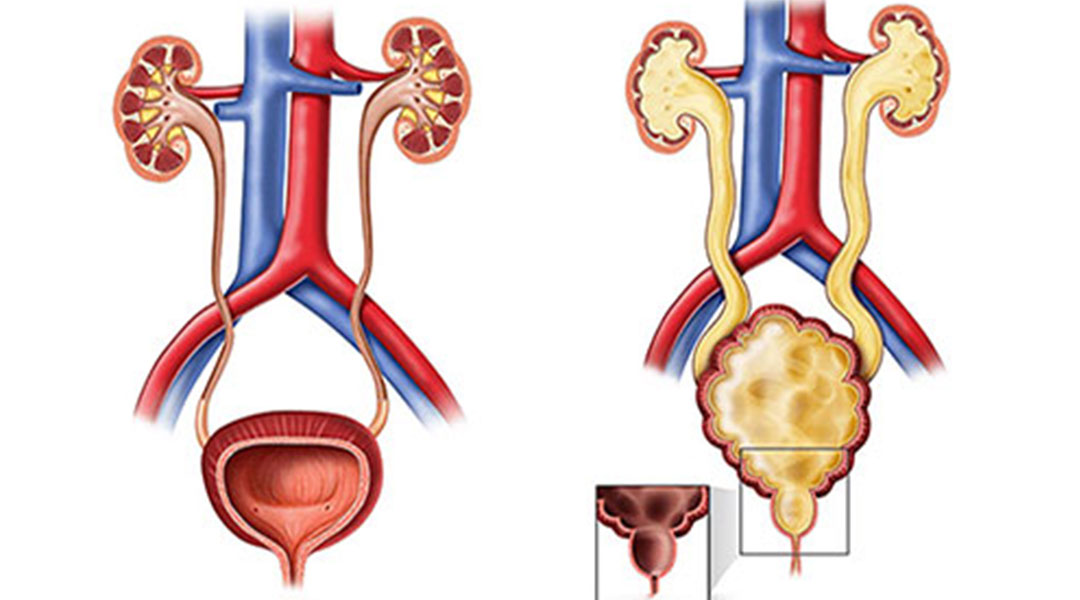
What is Posterior Urethral Valve (PUV)?
Posterior Urethral Valve (PUV) is a rare congenital condition that affects male infants and children. It involves the presence of abnormal flaps of tissue in the posterior urethra (the part of the urethra closest to the bladder), which obstruct urine flow from the bladder to the outside of the body. This blockage can lead to serious urinary tract problems, including kidney damage.
Causes
PUV occurs during fetal development and is not inherited. The exact cause is unknown, but it is the result of abnormal development of the urethra in male fetuses.
Symptoms
Symptoms of PUV can vary depending on the severity of the obstruction and the child’s age. Common signs include:
- Difficulty urinating or weak urine stream
- Swollen bladder or abdomen
- Urinary tract infections (UTIs)
- Poor growth or failure to thrive
- Frequent urination or dribbling
- Kidney damage or enlarged kidneys (hydronephrosis)
Diagnosis
PUV is typically diagnosed through:
- Ultrasound (before or after birth)
- Voiding Cystourethrogram (VCUG) – an X-ray study of the bladder and urethra
- Cystoscopy – direct visual examination of the urethra and bladder
Treatment Options
The goal of treatment is to relieve the obstruction and prevent kidney damage
- Endoscopic Valve Ablation: The most common treatment, where a small telescope is used to remove the valves.
- Urinary Catheter: To relieve pressure temporarily
- Vesicostomy or other surgical procedures may be necessary in severe cases
- Long-term monitoring of kidney and bladder function
