Disease
Perforation Disease
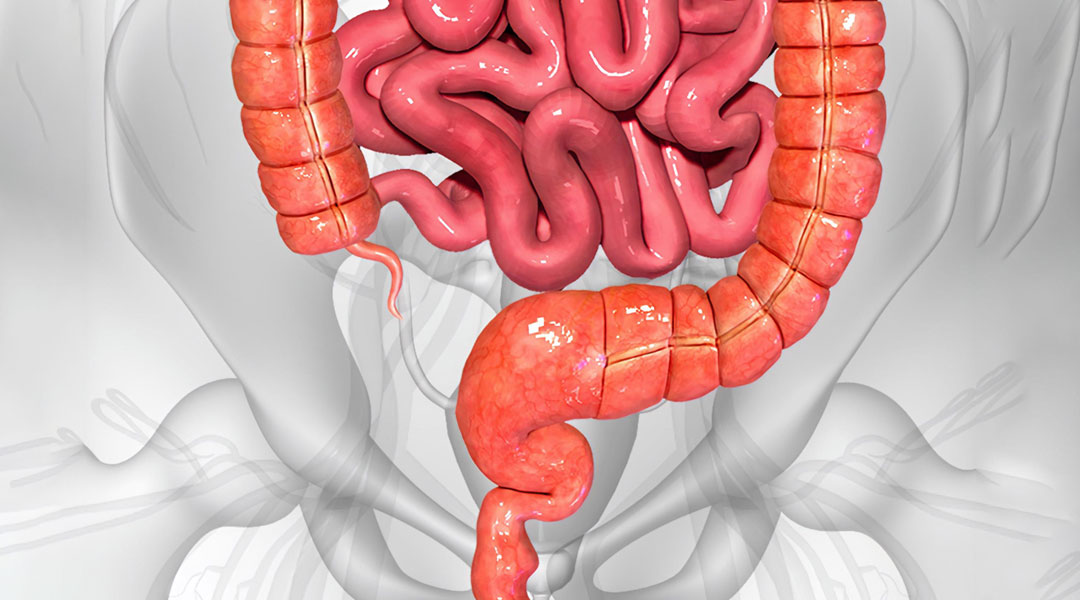
What is Perforation Disease?
Perforation disease refers to a serious medical condition in which a hole (perforation) develops in the wall of a hollow organ within the body—most commonly in the gastrointestinal tract, such as the stomach, small intestine, or large intestine. This perforation can allow contents of the organ (such as digestive fluids or bacteria) to leak into the abdominal cavity, leading to infection (peritonitis), inflammation, and potentially life-threatening complications.
Common Causes:
- Peptic ulcers
- Appendicitis
- Diverticulitis
- Inflammatory bowel disease (Crohn's disease, ulcerative colitis)
- Trauma or injury
- Ingesting foreign objects or caustic substances
Symptoms :
- Sudden and severe abdominal pain
- Nausea and vomiting
- Fever and chills
- Abdominal bloating or swelling
- Rapid heart rate
- Low blood pressure (in severe cases)
Why is it an Emergency?
Perforation is a surgical emergency. If not treated quickly, it can lead to severe infection, sepsis, or death. Prompt diagnosis and surgical intervention are critical for recovery.
Treatment
- Emergency surgery to repair the perforation
- Antibiotics to treat infection
- Supportive care including IV fluids and pain management
