Disease
Biliary Disease
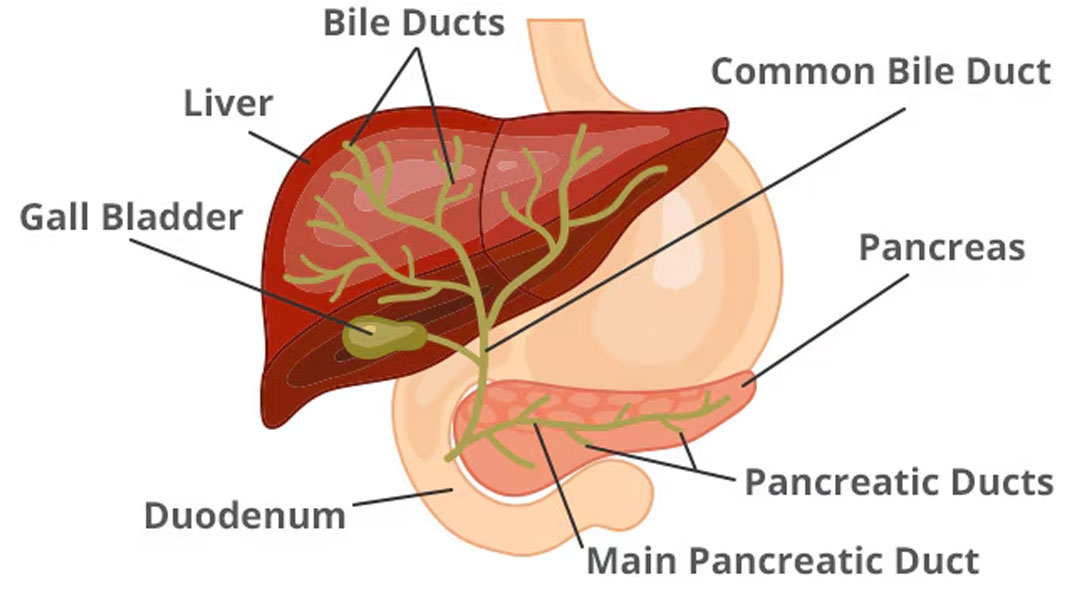
What is Biliary Disease?
Biliary disease refers to any condition that affects the bile ducts, gallbladder, or bile, which is a digestive fluid produced by the liver. These structures form the biliary system and play a vital role in digesting fats and removing waste products from the liver.
Common Types of Biliary Diseases:
- Gallstones (Cholelithiasis): Hardened deposits of bile that form in the gallbladder, often causing pain, nausea, or digestive issues.
- Cholecystitis: Inflammation of the gallbladder, usually due to gallstones blocking the cystic duct.
- Biliary Stricture: Narrowing of the bile ducts, often caused by injury, surgery, or inflammation.
- Primary Biliary Cholangitis (PBC): A chronic autoimmune disease that slowly destroys bile ducts in the liver.
- Primary Sclerosing Cholangitis (PSC): A rare, progressive condition that causes scarring and inflammation of the bile ducts.
- Bile Duct Cancer (Cholangiocarcinoma): A rare but serious form of cancer that begins in the bile ducts.
Symptoms of Biliary Disease :
- Abdominal pain, especially in the upper right side
- Jaundice (yellowing of skin or eyes)
- Nausea and vomiting
- Dark urine or pale stools
- Fatigue
- Fever or chills (in case of infection)
Diagnosis:
Biliary diseases are typically diagnosed using:
- Ultrasound
- MRI or MRCP (Magnetic Resonance Cholangiopancreatography)
- Endoscopic procedures like ERCP (Endoscopic Retrograde Cholangiopancreatography)
- Blood tests to evaluate liver function
Treatment
Treatment depends on the type and severity of the condition and may include:
- Medications to dissolve gallstones or reduce inflammation
- ERCP to remove blockages or place stents
- Surgery such as cholecystectomy (removal of the gallbladder)
- Liver transplant in advanced cases
