Disease
Undescended Testis Disease
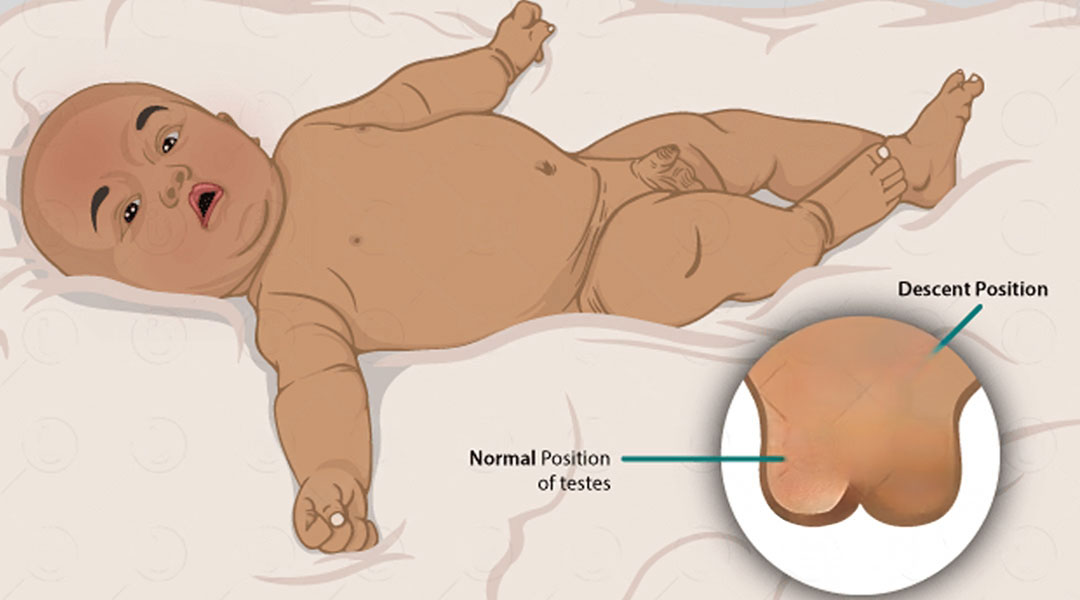
Undescended Testis (Cryptorchidism) – Causes, Symptoms & Treatment
Undescended Testis, also known as Cryptorchidism, is a condition in which one or both testicles fail to descend into the scrotum before birth. Normally, testicles develop inside the abdomen and gradually move down into the scrotum during the last few months of fetal development. When this descent does not occur properly, the condition is referred to as an undescended testis.
This condition is most commonly seen in newborns, particularly premature babies, and affects approximately 1–3% of full-term male infants.
Causes :
While the exact cause of undescended testis is not always known, contributing factors may include:
- Premature birth
- Hormonal imbalances during fetal development
- Genetic or chromosomal abnormalities
- Low birth weight
- Family history of the condition
- Exposure to certain environmental chemicals during pregnancy
Symptoms
In most cases, the main symptom is the absence of one or both testicles in the scrotum. This may be detected during a routine newborn physical examination. Other possible signs include:
- A smaller or underdeveloped scrotum on one side
- No noticeable testicle(s) in the scrotum
- Testicle felt in the groin area (in some cases)
Potential Complications:
If left untreated, undescended testis may lead to:
- Infertility or reduced sperm production
- Increased risk of testicular cancer
- Testicular torsion (twisting of the spermatic cord)
- Inguinal hernia
- Psychological impact or self-esteem issues in older children
Diagnosis
A pediatrician or pediatric urologist can typically diagnose undescended testis through a physical examination. Additional imaging tests such as ultrasound, MRI, or laparoscopy may be recommended in cases where the testicle is non-palpable.
Why Early Treatment Matters:
Early treatment is essential to reduce the risk of future complications. Options include:
- Observation: In some cases, the testicle descends naturally within the first few months of life.
- Hormonal Therapy: Hormone injections like hCG (human chorionic gonadotropin) may be tried to stimulate testicular descent.
- Surgery (Orchiopexy): If the testicle does not descend by 6–12 months, surgery is typically recommended to move the testicle into the scrotum. This procedure has a high success rate and is usually done on an outpatient basis.
Conclusion:
Undescended testis is a manageable condition when diagnosed and treated early. Regular pediatric checkups and prompt medical attention are key to ensuring the child’s reproductive and overall health. If you suspect undescended testis in your child, consult a qualified pediatric surgeon or urologist for expert guidance and care.
