Disease
Lymphangioma Disease
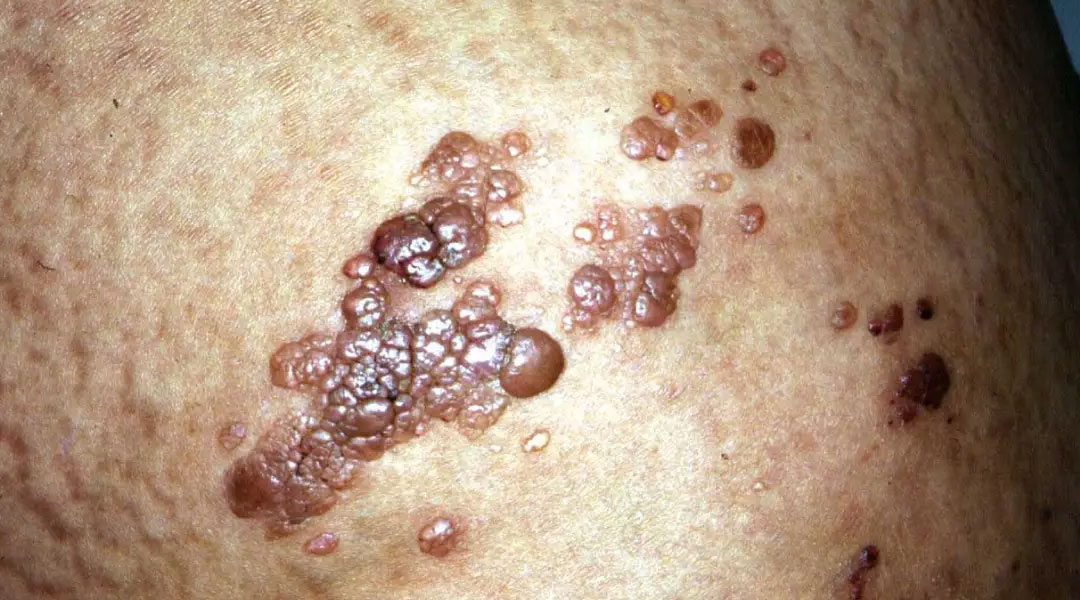
What is Lymphangioma?
Lymphangioma is a rare, non-cancerous (benign) malformation of the lymphatic system. It typically presents as a soft, fluid-filled mass and is caused by an abnormal development of lymphatic vessels. These vessels collect and transport lymph—a clear fluid containing white blood cells—throughout the body. Lymphangiomas most commonly occur in children and are often present at birth or develop during early childhood.
Common Locations
- Neck
- Head and face
- Armpits
- Chest or abdomen (less common)
Types of Lymphangioma
- Simple (Capillary) Lymphangioma: Small, thin-walled lymphatic vessels.
- Cavernous Lymphangioma: Larger, dilated lymphatic spaces
- Cystic Hygroma: The most common type, consisting of large, fluid-filled cysts. Often found in the neck region
Symptoms
- Painless, soft, and compressible swelling
- May enlarge over time
- In some cases, pain, infection, or bleeding may occur
- Breathing or swallowing difficulties (if located near the airway or throat)
Causes
The exact cause is unknown, but it is believed to be due to errors in the development of the lymphatic system during fetal growth.
Diagnosis
- Physical examination
- Imaging tests such as ultrasound, MRI, or CT scan
- Biopsy (rarely needed)
Treatment Options
- Observation (for small, asymptomatic cases)
- Surgical removal (preferred for large or symptomatic lymphangiomas)
- Sclerotherapy (injecting medication to shrink the mass)
- Laser therapy (in selected cases)
