Disease
Hydrocephalus Disease
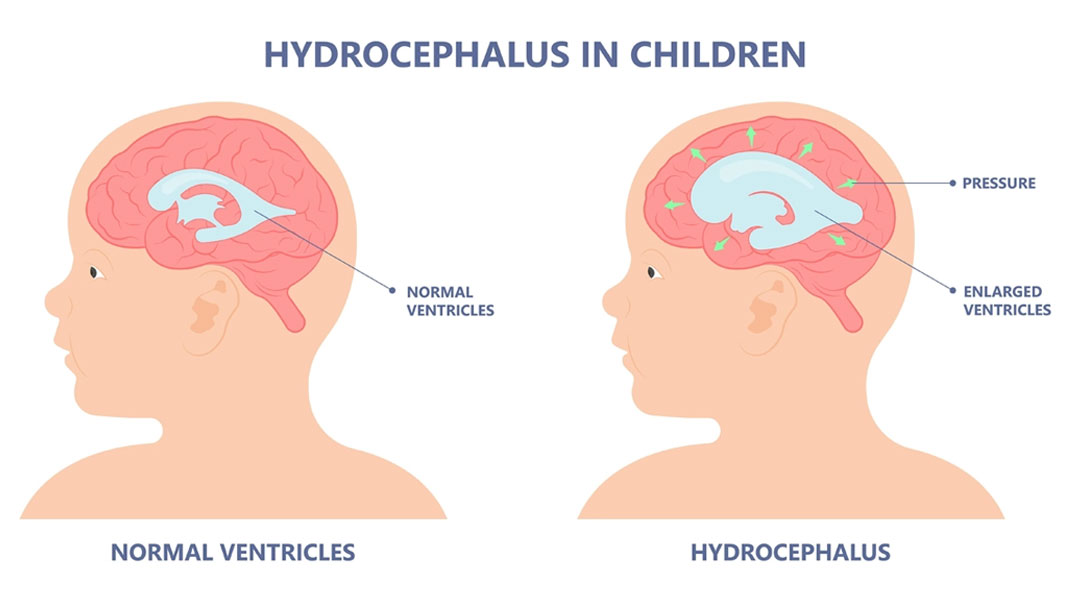
What is Hydrocephalus?
Hydrocephalus is a medical condition in which an abnormal buildup of cerebrospinal fluid (CSF) occurs in the brain's ventricles (fluid-filled cavities). This accumulation leads to increased pressure inside the skull, which can damage brain tissues and affect overall brain function.
Causes of Hydrocephalus
- Congenital defects (present at birth)
- Infections such as meningitis
- Brain tumors or cysts
- Traumatic brain injury
- Bleeding inside the brain
Symptoms in Infants
- Rapid increase in head size
- Bulging soft spot (fontanel) on the head
- Poor feeding
- Vomiting
- Seizures
- Excessive sleepiness or irritability
Symptoms in Adults & Older Children
- Headache
- Nausea and vomiting
- Blurred or double vision
- Balance and coordination issues
- Difficulty thinking or concentrating
- Urinary incontinence (in some cases)
Treatment Options
The most common treatment is surgical insertion of a shunt system. This device helps drain excess fluid from the brain to another part of the body, usually the abdomen. In some cases, an endoscopic third ventriculostomy (ETV) may be performed to allow fluid to flow within the brain.
Key Facts
- Hydrocephalus can occur at any age
- Early diagnosis and treatment are crucial to prevent permanent brain damage
- Lifelong follow-up may be needed for patients with shunts
