Disease
Inguinal Hernia Disease
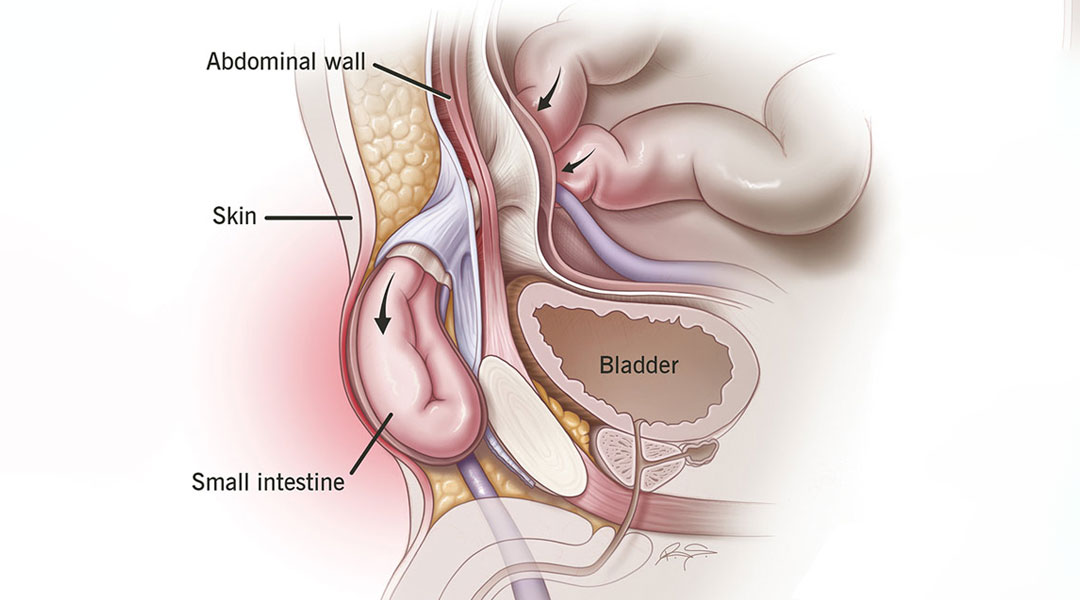
Inguinal Hernia: Causes, Symptoms & Treatment
An inguinal hernia occurs when a part of the intestine or abdominal tissue bulges through a weak spot in the lower abdominal muscles, specifically in the inguinal canal (located in the groin). It’s one of the most common types of hernias and can affect people of all ages, but is more common in men.
Causes of Inguinal Hernia:
- Congenital weakness in the abdominal wall
- Heavy lifting or straining
- Chronic cough or constipation
- Obesity
- Aging and muscle degeneration
Common Symptoms
There are different types based on the location of the urethral opening:
- A bulge in the groin or scrotum area, especially when standing or coughing
- Pain or discomfort in the groin, particularly when bending, lifting, or coughing
- A heavy or dragging sensation in the groin
- Swelling that may go away when lying down
- In severe cases, nausea, vomiting, or the inability to pass gas (indicating a strangulated hernia — a medical emergency)
Diagnosis & Treatment
- Physical examination by a doctor
- Ultrasound or CT scan for confirmation (in some cases)
Treatment Options:
- Watchful waiting (if small and asymptomatic)
- Surgical Repair:
- Open hernia repair (herniorrhaphy)
- Laparoscopic surgery (minimally invasive, faster recovery)
Why Early Treatment Matters:
If left untreated, an inguinal hernia can become incarcerated (trapped outside the abdominal wall) or strangulated (blood supply cut off), which requires emergency surgery.
Consult a specialist if you notice any symptoms of an inguinal hernia. Early diagnosis and appropriate management can prevent complications and improve quality of life.
