Disease
Umbilical Hernia Disease
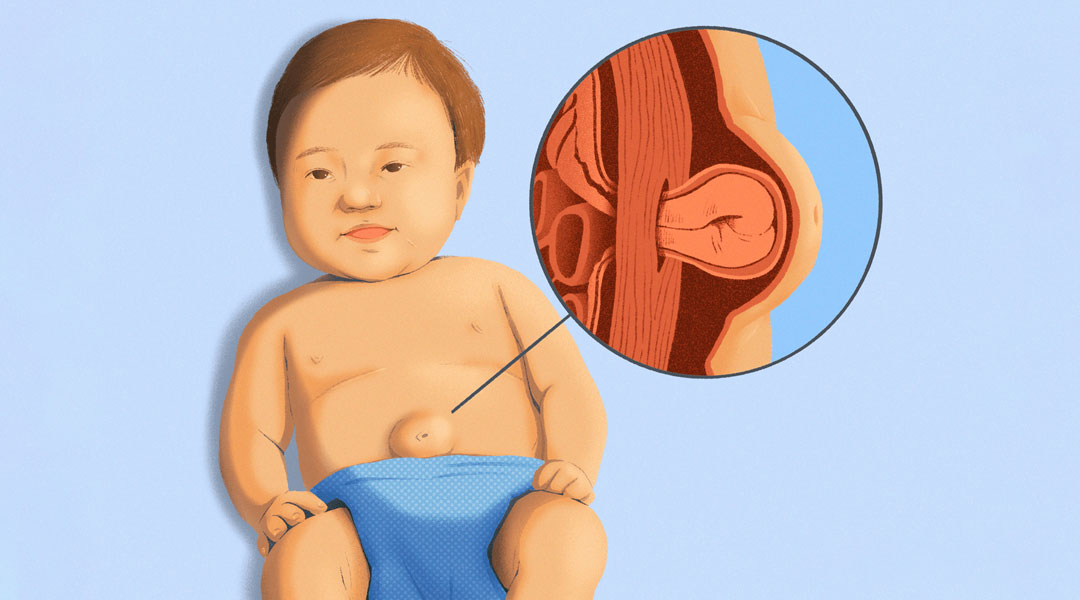
What is Umbilical Hernia?
An umbilical hernia occurs when part of the intestine or abdominal tissue protrudes through the abdominal wall near the belly button (navel). This condition is more common in infants but can also affect adults, especially those who are overweight, pregnant, or engage in heavy lifting.
Causes of Umbilical Hernia
Umbilical hernias can develop due to:
- Weakness in the abdominal muscles
- Increased pressure in the abdomen
- Chronic coughing or straining
- Obesity
- Previous abdominal surgeries
- Pregnancy
Symptoms
Common signs and symptoms of an umbilical hernia include:
- A visible bulge near the navel
- Swelling or pain around the belly button
- Discomfort when coughing, lifting, or bending over
- Discomfort when coughing, lifting, or bending over
In some cases, if the hernia becomes incarcerated or strangulated, it may cause severe pain, nausea, vomiting, or even block blood supply to the affected tissue — which requires emergency medical attention.
Diagnosis
A physical examination by a doctor is usually enough to diagnose an umbilical hernia. In certain cases, imaging tests such as an ultrasound or CT scan may be recommended to confirm the diagnosis or check for complications.
Treatment Options
Mild umbilical hernias in infants often close on their own by the age of 1 or 2. However, surgical intervention may be necessary if:
- The hernia is large or painful
- It does not close by itself by the age of 4–5
- It becomes incarcerated or strangulated
In adults, surgery is typically recommended to avoid complications. The procedure is usually performed under local or general anesthesia and involves repairing the abdominal wall, sometimes with the help of mesh for added strength.
Prevention Tips
While not all umbilical hernias can be prevented, you can reduce your risk by:
- Maintaining a healthy weight
- Avoiding heavy lifting
- Managing chronic cough or constipation
- Exercising to strengthen abdominal muscles (with proper guidance)
